





Tree
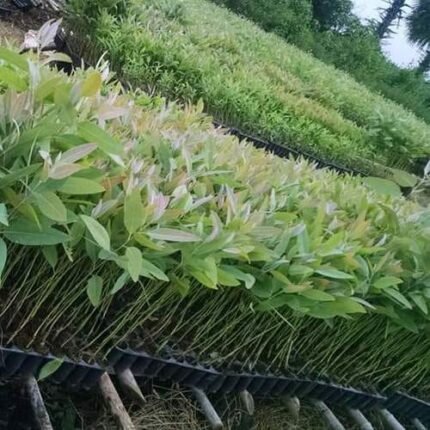
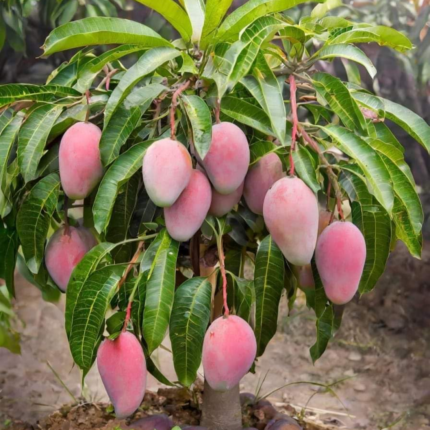
- The Sundari Red Mango tree is a medium to large-sized tree that grows to a height of 8–15 meters.
- It has a strong, spreading canopy with thick, glossy leaves that are dark green.
- The tree is fairly resilient and can thrive in tropical climates, requiring well-drained soil and a warm climate for optimum growth.
Flowers
- Mango trees generally produce small, aromatic flowers that are pollinated by insects such as bees and butterflies.
- These flowers bloom in clusters during the flowering season, usually between November and January in India.
Fruit
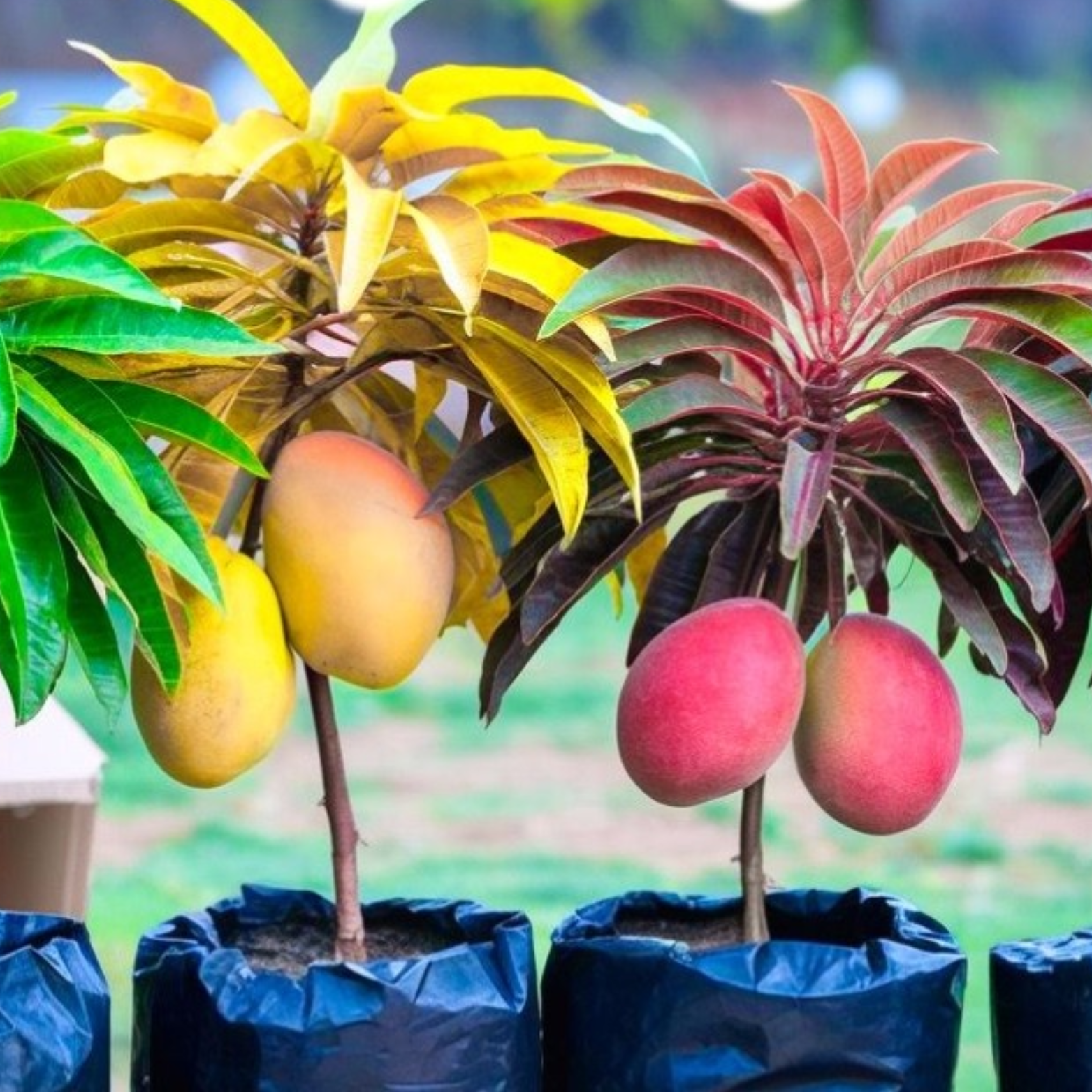
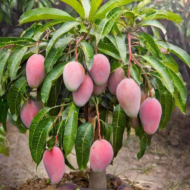
- Appearance: The fruit of the Sundari Red Mango is medium to large in size, with a characteristic bright red blush on its skin, especially when fully ripe. The flesh is usually orange-yellow and has a smooth, non-fibrous texture.
- Shape: The mango is typically oval or kidney-shaped, slightly elongated with a rounded base.
- Taste: Sundari Red Mango is known for its sweet, tangy flavor. The flesh is juicy and fragrant, with a perfect balance of sweetness and tartness that mango lovers often enjoy.
- Ripening: The fruit ripens to a beautiful reddish hue and is typically harvested during the peak mango season, which lasts from April to June in India.
Growth and Cultivation in India
- Climate:
- Sundari Red Mango trees thrive in tropical and subtropical climates. The tree requires a warm, sunny climate with temperatures ranging from 25°C to 35°C.
- It is well-suited to regions with distinct dry and wet seasons, particularly in states like Uttar Pradesh, Bihar, West Bengal, and parts of Odisha.
- Soil:
- The tree grows best in well-drained, sandy loam or clayey soils. The soil should be slightly acidic to neutral in pH.
- Mango trees also prefer soils that are rich in organic matter, providing the nutrients needed for healthy growth and fruit production.
- Propagation:
- Sundari Red Mango is typically propagated by grafting, which ensures the consistency of the fruit’s taste and quality.
- Seed propagation is also possible, but grafted plants tend to bear fruit faster and more consistently.
- Watering and Irrigation:
- While mango trees are drought-tolerant, they require adequate watering, especially during the flowering and fruiting stages.
- Drip irrigation is commonly used in commercial mango orchards in India to provide a steady water supply while minimizing water wastage.
- Pruning:
- Regular pruning is essential to maintain the shape of the tree, remove dead or diseased branches, and promote better fruiting.
- Pruning also helps increase sunlight penetration to the inner branches, which improves fruit quality.
Uses and Benefits in India
- Nutritional Value:
- Sundari Red Mango is rich in vitamins (especially vitamin C), antioxidants, fiber, and natural sugars.
- Mangoes are a great source of energy, help boost the immune system, and improve digestion due to their high fiber content.
- The antioxidants in mangoes, including carotenoids and flavonoids, promote healthy skin, eye health, and reduce inflammation.
- Culinary Uses:
- Fresh: The ripe fruit is typically eaten fresh, either by itself or added to fruit salads.
- Juices & Smoothies: Mangoes from this variety are also used to make juices, smoothies, and milkshakes.
- Desserts: Sundari Red Mango is often used in desserts like mango pudding, mango ice cream, or as a topping for cakes and tarts.
- Pickles: Unripe or slightly green mangoes are also used to make tangy pickles, which are a popular accompaniment to Indian meals.
- Medicinal Properties:
- The mango’s high vitamin C content helps boost immunity and acts as an antioxidant.
- The fruit is believed to promote digestion and is often used in Ayurvedic remedies for digestive issues.
- Mangoes are also believed to have anti-aging properties due to their antioxidant content, helping to maintain youthful skin and reduce wrinkles.
- Economic Importance:
- Sundari Red Mango, like many other Indian mango varieties, is economically significant in India, both for domestic consumption and export.
- The mango industry provides livelihoods to millions of farmers and workers involved in its cultivation, processing, and marketing.
- India is the world’s largest producer and exporter of mangoes, and varieties like Sundari Red Mango contribute to this trade.
Pests and Diseases
- Like other mango varieties, the Sundari Red Mango tree is susceptible to pests and diseases, including:
- Mango weevil: This pest attacks the fruit, causing it to rot.
- Mango hopper: A pest that affects the flowering and fruit-setting process.
- Powdery mildew: A fungal disease that can affect the leaves, reducing the tree’s ability to photosynthesize.
- Proper pest management, including the use of organic pesticides, maintaining orchard hygiene, and removing affected fruits or branches, is necessary to protect the trees and ensure healthy fruit production.
Varieties and Similar Mangoes
While the Sundari Red Mango is a specific variety, it is often compared to other mango varieties like:
- Langra Mango: This variety is often known for its slightly green skin and sweet, juicy flavor, similar to the Sundari Red Mango.
- Alphonso Mango: Known as the “King of Mangoes,” Alphonso is famous for its rich sweetness and smooth texture.
- Kesar Mango: A slightly smaller mango, popular for its fragrant aroma and sweet, creamy flesh.
The Sundari Red Mango stands out for its vibrant color, delectable flavor, and nutritional benefits, making it a sought-after fruit in India’s mango-growing regions. Its unique characteristics are loved by many, whether fresh, juiced, or transformed into desserts.
Mr. Mackay –
A seemingly elegant design can quickly begin to bloat with unexpected content or break under the weight of actual activity. Fake data can ensure a nice looking layout but it doesn’t reflect what a living, breathing application must endure.